
Warmer floors in winter
Insulation under the floor stops cold air rising through gaps in the timber, so rooms stay warmer and heaters run less often. This is especially noticeable in living areas and bedrooms above a ventilated subfloor.
Suspended Floor Specialists
Underfloor insulation stops cold air rising through timber floorboards in North Melbourne homes. We install glasswool or polyester batts between joists in the subfloor to cut draughts and reduce heating costs.
Share your details and Expert Insulation Melbourne will contact you about Underfloor Insulation in North Melbourne.
North Melbourne has many older weatherboard and brick veneer homes with suspended timber floors. Without insulation beneath, cold air moves up through gaps in the floorboards, making rooms feel chilly and forcing heaters to work harder. Underfloor insulation fixes this by fitting bulk batts between the floor joists in the subfloor, blocking draughts and adding thermal resistance.
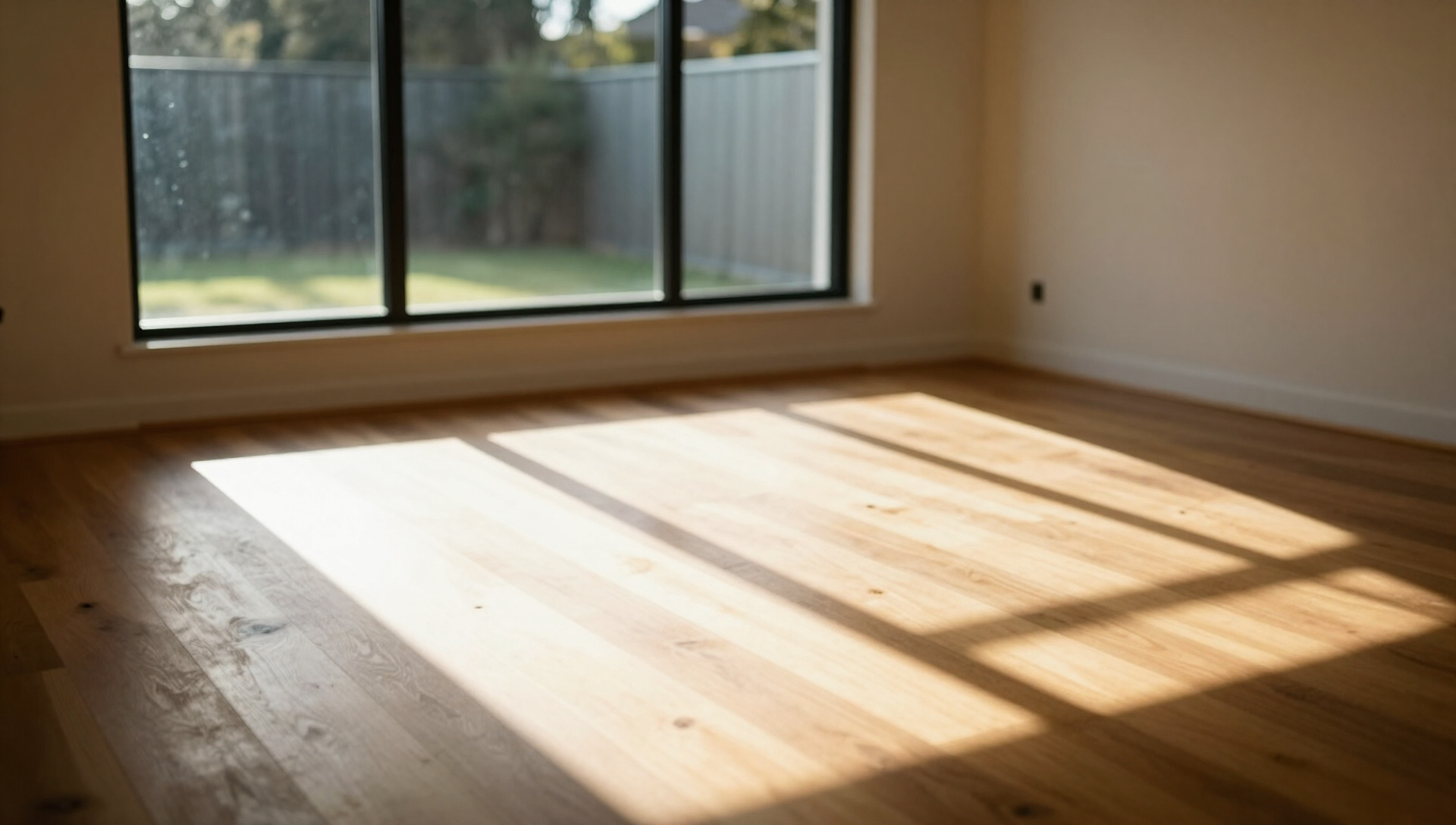
Melbourne’s cold winters and hot summers put extra demand on heating and cooling. In North Melbourne, many homes were built with uninsulated suspended floors, leading to cold feet and higher energy bills. Underfloor insulation addresses this directly.
Insulation under the floor stops cold air rising through gaps in the timber, so rooms stay warmer and heaters run less often. This is especially noticeable in living areas and bedrooms above a ventilated subfloor.
By blocking draughts and adding thermal resistance, underfloor batts cut the heat loss through the floor. Homeowners typically see lower energy use during winter without changing their thermostat settings.
Sealing the subfloor with insulation also reduces dust and pollen entering the home through the floor. This helps with indoor air quality and keeps the house cleaner.
Many North Melbourne homes are single-storey weatherboards or brick veneer with suspended floors. Underfloor insulation is one of the most cost-effective ways to improve comfort in these properties.
The installation happens from underneath, so there is no need to remove carpets, floorboards or tiles. We access the subfloor through the crawl space and fit batts between the joists.
Quality glasswool or polyester batts maintain their thickness and R-value over time. They do not sag or compress if installed correctly with the right support and clearance.
Installing underfloor insulation requires access to the subfloor, usually through a manhole or by lifting a section of flooring. We work carefully to avoid disturbing the existing structure and ensure full coverage between joists.
We check the subfloor for clear access, adequate height and any obstacles like plumbing or wiring. If old insulation is present and damaged, we remove it first. Work stops if asbestos is suspected until an assessor inspects it.
We measure the spacing between joists and cut glasswool or polyester batts to fit snugly without compression. Batts are cut longer than the gap so they stay in place by friction.
Batts are placed between every joist, butted up against the timber to eliminate gaps. We ensure no insulation is left touching the ground, which would allow moisture to wick up and reduce performance.
After installation, we check for any remaining gaps around pipes or services and seal them with appropriate materials. We then remove all offcuts and debris from the subfloor and site.
North Melbourne has a mix of older weatherboard cottages and interwar brick homes, many with suspended timber floors. These properties often suffer from cold floors and draughts, especially in winter when northerly winds bring cold air under the house. Underfloor insulation is a straightforward upgrade that makes a noticeable difference to comfort and energy use.
Stop cold floors and draughts in North Melbourne with underfloor batts installed under suspended timber floors.
Homeowners in North Melbourne often ask about access, cost factors and whether their home is suitable. Here are the most common questions we hear.
Underfloor insulation in North Melbourne targets the cold air rising through suspended timber floors in older homes. By installing glasswool or polyester batts between the floor joists in the subfloor, we block draughts and add thermal resistance to keep rooms warmer in winter. This is a common issue in weatherboard and brick veneer houses built before the 1980s, where the subfloor was often left uninsulated.
The process starts with a subfloor inspection to confirm access and check for obstacles like plumbing or electrical cables. We then measure the joist spacing and cut batts to fit snugly without gaps. Typical R-values for underfloor insulation range from R1.5 to R2.5, depending on the available space and the homeowner’s budget. Higher R-values provide better thermal resistance but require thicker batts and more subfloor clearance.
Costs vary based on the floor area, joist spacing, access difficulty and whether old insulation needs removal. Homes with limited crawl space or low clearance may require additional preparation. In North Melbourne, many properties have sufficient access for a straightforward installation. The result is warmer floors, reduced draughts and lower heating bills, making underfloor insulation a practical upgrade for older homes.
If your North Melbourne home has cold floors and draughts, underfloor insulation can make a real difference. We provide clear advice and a fixed quote for your property.